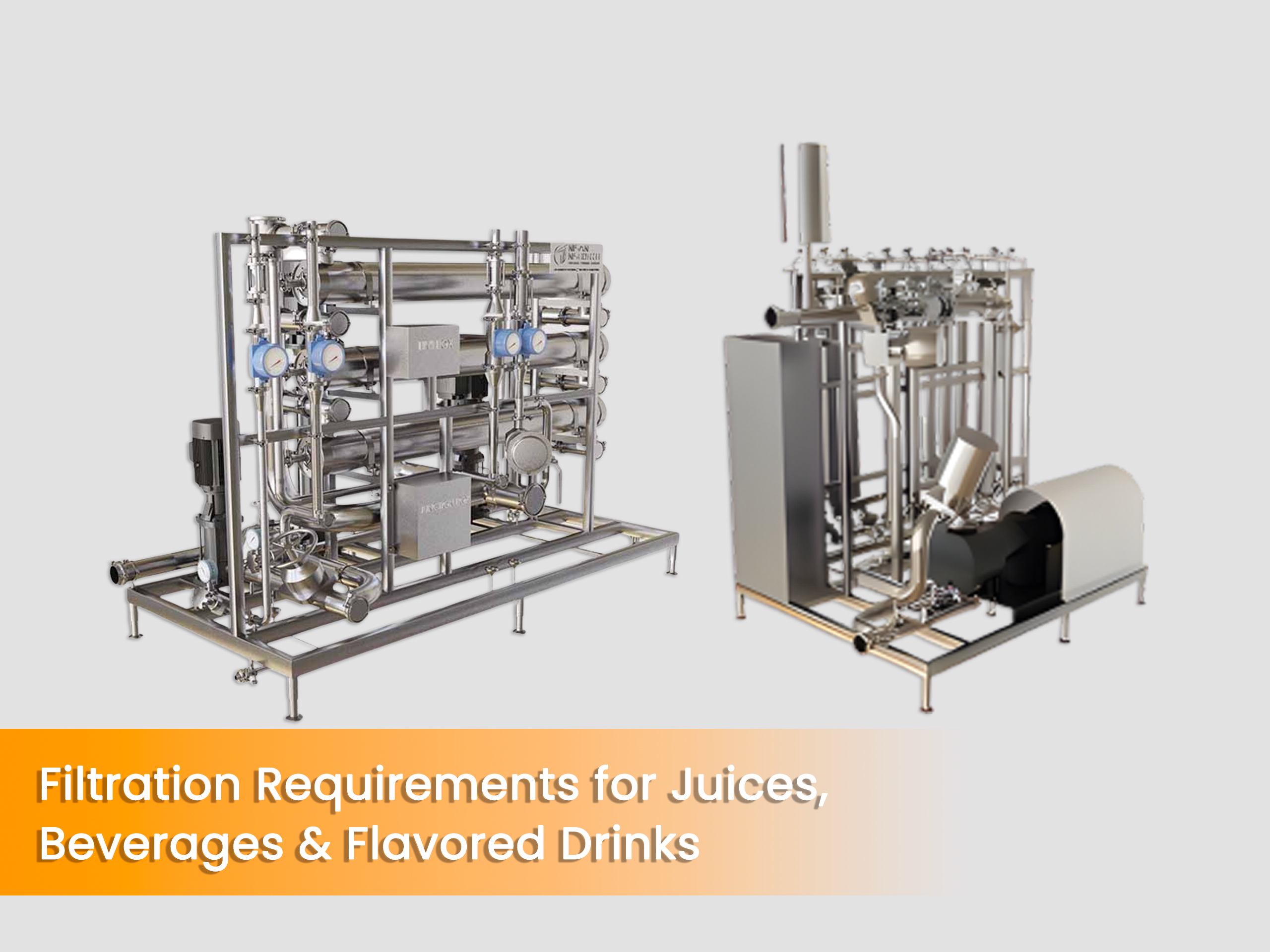
Every sip of your favourite juice or soft drink is the result of a complicated process of precise filtration. There is a complex network of beverage filtration systems operating around the clock to get rid of pollutants, germs, and other undesired particles behind that clean look and consistent taste. Knowing what filtration food and drink companies require isn’t just about meeting the rules; it’s about providing the quality they can trust.
Key Challenges in Beverage Production
The beverage filtration landscape has its own set of problems that need strong answers. Chlorine, sediment, and organic matter can make raw water from city sources taste bad and be unsafe. Sugar syrups used in manufacture may have up to 0.8% impurities by weight, which can make the end product look cloudy.
Microorganisms are also bad for you. Buildings can still have germs, yeasts, and moulds in them even after they’ve been cleaned. Because they are fizzy and have a low pH, traditional carbonated drinks don’t let germs grow. Flavoured water and sports drinks are unprotected. These mechanisms are essential for food quality.
Carbon dioxide gas must be thoroughly cleansed of germs before combining with liquids. These unknown dangers can shorten the juice’s shelf life and make it dangerous if not filtered.
Filtration Stages in Beverage Processing
Water Treatment: Municipal or spring water is first cleaned by removing chlorine, smell, taste, and colour with activated carbon and sand filters. This base makes sure that all the processes that come after it have clean water.
Syrup preparation: Sugar solutions need to filter out fruit juice and other flavour concentrates. Controlled temperatures during hot-melt sugar dissolution stop caramelisation and destroy bacteria. Before primary filtration gets rid of any leftover particles, activated carbon treatment takes off colours and bad tastes.
CO₂ Filtration: Membranes must screen the carbon dioxide before it is added to keep germs from getting into the carbonation and filling process.
Filtration Before Bottling: This step is done before the food is put into bottles. It gets rid of germs and particles and makes the product clear and long-lasting. This crucial phase often involves two steps for the best outcomes.
Recommended Filtration Solutions for Beverages
Membrane filtration technology can be used in many different ways at all phases of manufacturing. Glass fibre and polypropylene pleated cartridges with pore diameters of 1 to 10 microns are good for clarifying and pre-filtration because they hold a lot of particles without fouling the downstream filter.
Gas filtration requires hydrophobic PTFE membrane filters with a 0.22 micron precision to get rid of bacteria and debris from carbonation gas. These specific parts of the membrane system make sure that pollutants never get to the final product.
There are two phases of filtering needed to get rid of microbes. The primary filters, which are 0.45 or 0.65 microns, catch bigger organisms. The final PES membrane filters, which are 0.22 microns, give you protection that is as good as sterilisation. During juice extraction and syrup processing, security filter systems with stainless steel bag filter housings and 1-5 micron liquid filter bags collect leftover activated carbon and diatomaceous earth particles.
Benefits of Proper Filtration
There are clear benefits to using effective food and drink filtering. Manufacturers have less downtime, fewer rejected products, and longer equipment life. Consistent filtration equipment used in food business operations makes sure that the flavour, colour, and clarity of each batch are the same.
Drinks taste wonderful, last longer, and don’t contain harmful microorganisms. This boosts brand loyalty and reduces product recalls that affect sales and reputation.
How Sanitech Engineers Meet the Needs of the Industry
Sanitech Engineers makes custom beverage filtration systems for making juice and soft drinks. Our solutions follow environmental laws and lower long-term maintenance costs by making equipment that is strong and works well.
We make filter cartridges and housings that are specifically designed for use in membrane filters in the processing of beverages. Our systems are great at getting rid of oil and particulates in water streams while still fulfilling strict purity standards throughout production.
Practical Advice for Manufacturers
- Before choosing filters, test water quality.
- Use multi-stage filtration instead of depending on solutions that only work at one point.
- Based on monitoring the pressure differential, set up periodical filter changes.
- Check the efficacy of microbial elimination by testing it from time to time.
- Teach employees how to use the system and handle the filters correctly.
- Keep careful notes of how well the filters work.
- Think about using automated technologies to make sure that food processing procedures always filter correctly.
Conclusion
Filtration is essential for juice and drink safety, quality, and customer satisfaction. From water treatment to bottling, correct juice, syrup and gas filtration is essential. Every product meets the highest standards and maintains your brand’s reputation with the right beverage filtering systems.
Ready to upgrade your drinks? Sanitech Engineers offers proven membrane filtering technology that protects your products and makes your business run as efficiently as possible. Go to sanitech-engineers to learn how our specialised solutions can change the way you filter things.
FAQs
For maximum sterilisation, most juice filtering systems employ membrane filters with 0.22 microns after pre-filters with 1 to 10 microns.
No. To filter food and drinks properly, you must go through numerous phases that target different pollutants, from particles to bacteria.
Sterile filters (0.22 microns) get rid of germs and other tiny living things, and clarity filters (1–10 microns) get rid of waste.