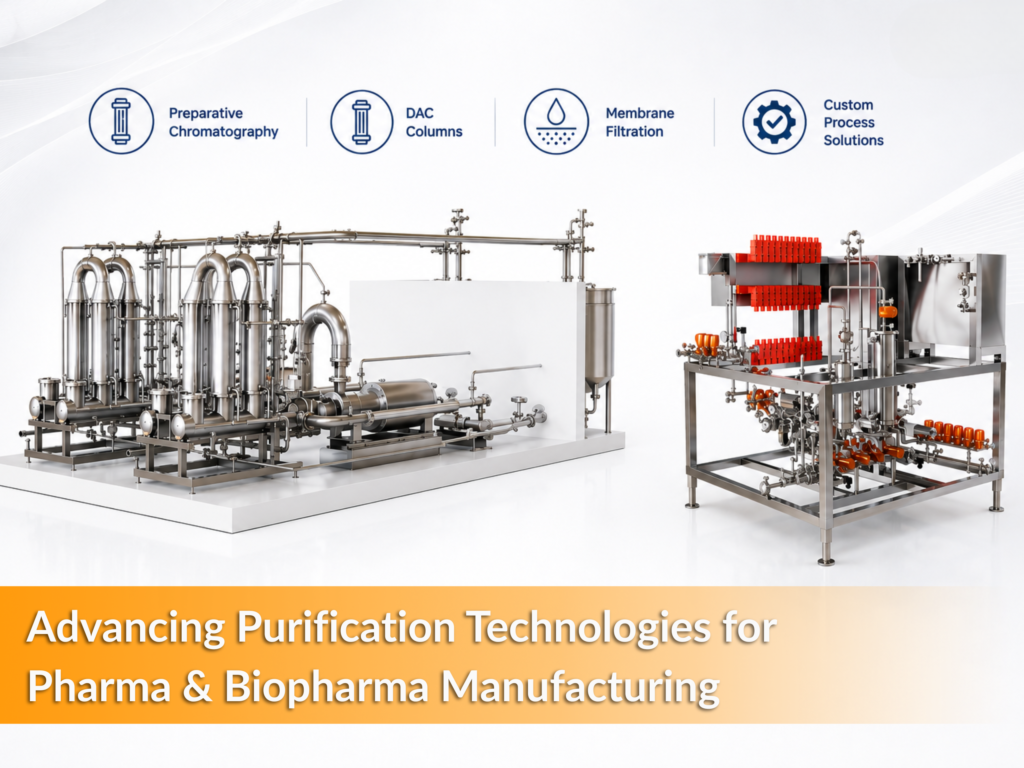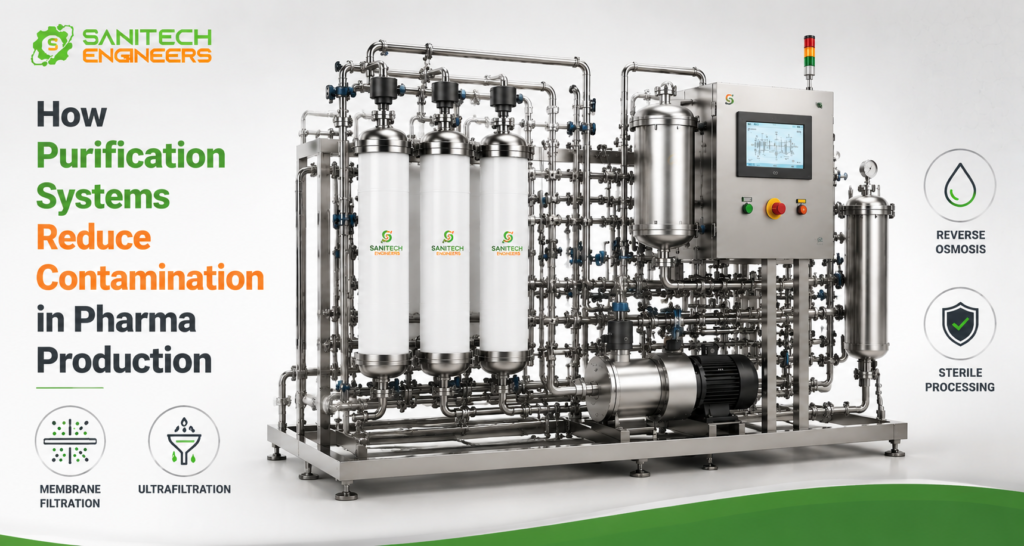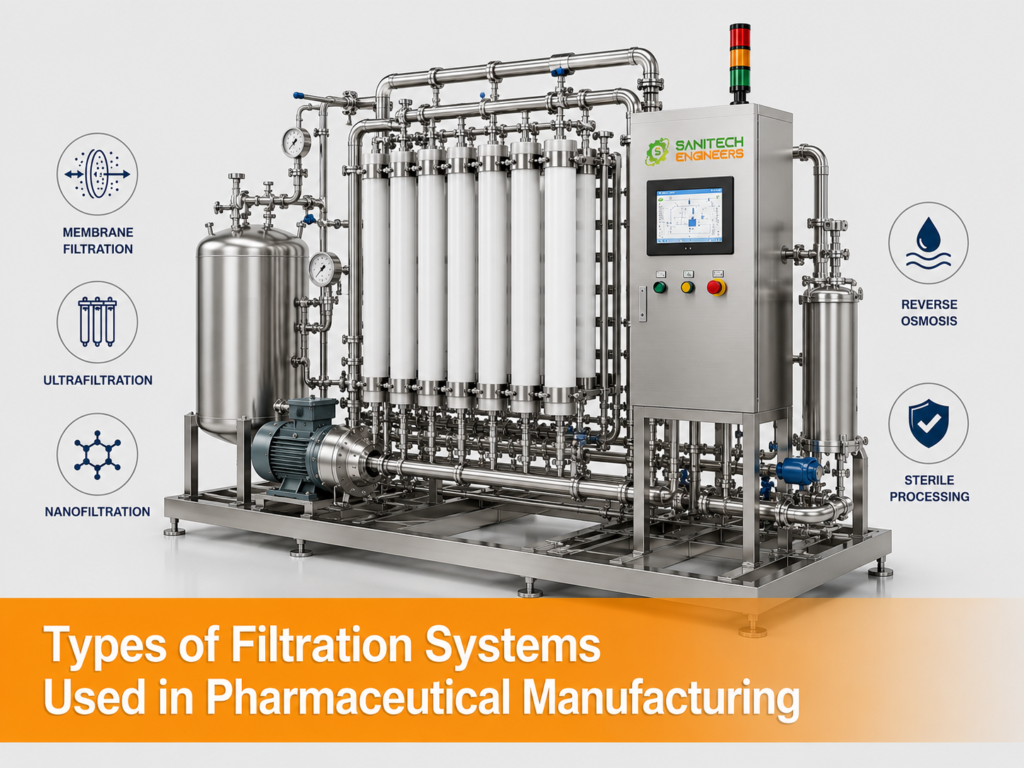
One of the most important phases in bioprocessing is filtering. It tells you how safe, pure, and effective a vaccine, biotech drug, or dietary supplement is. Choosing the wrong filter could ruin a batch, increase costs, or stop production.
Most bioprocessing filtration uses depth and membrane filtration. They work but in distinct ways and with different logic. Your company could incur significant financial losses if you are unaware of how they operate.
What Is Depth Filtration in Bioprocessing?
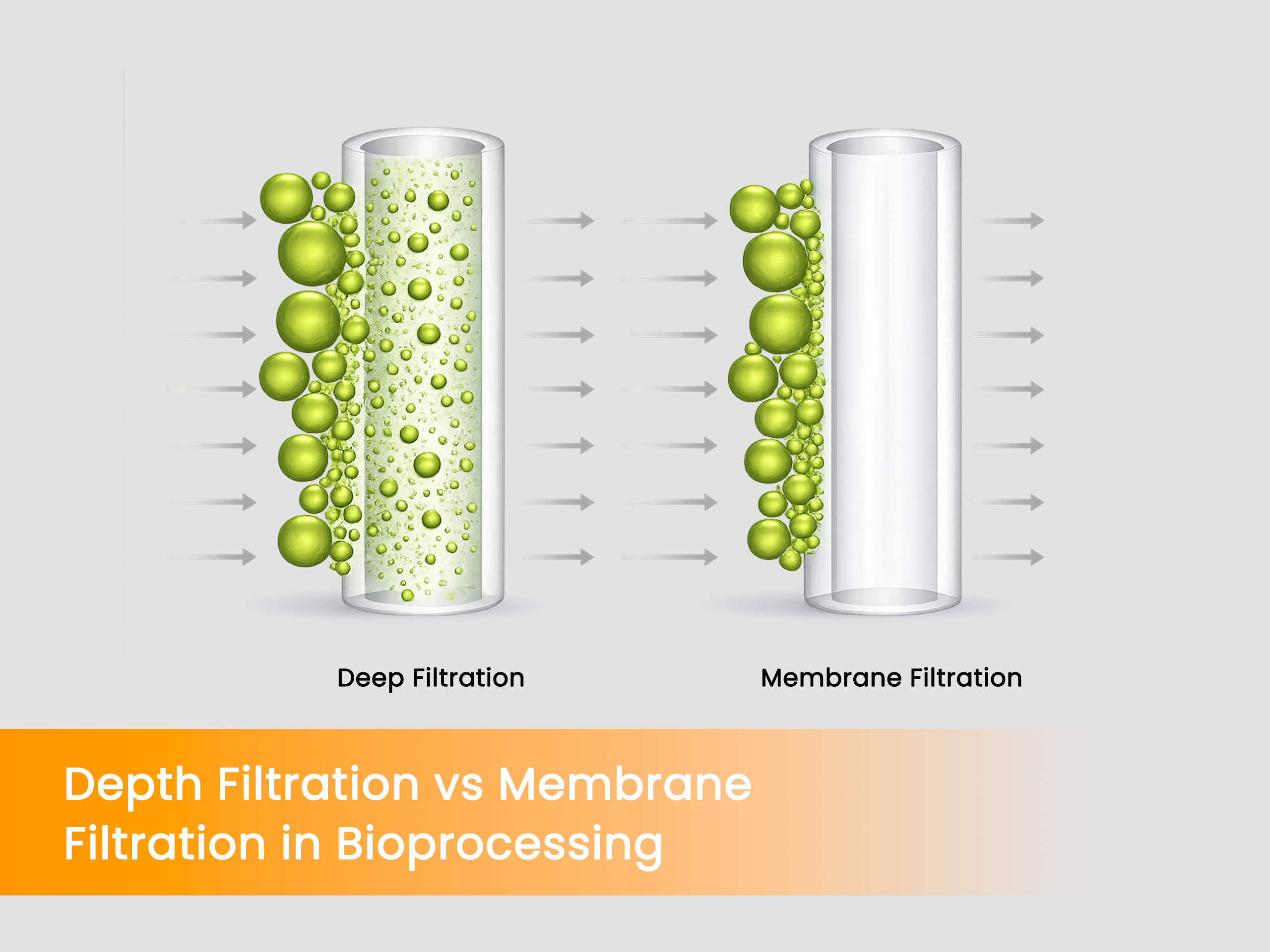
Bioprocessing uses depth filtering to collect particles that go through a thick, porous medium. Fluid flows through fibrous material. Size exclusion and adsorptive interactions trap cell debris, aggregates, and fine colloids in the filter structure. A cleaner, clearer fluid is easier to work with later.
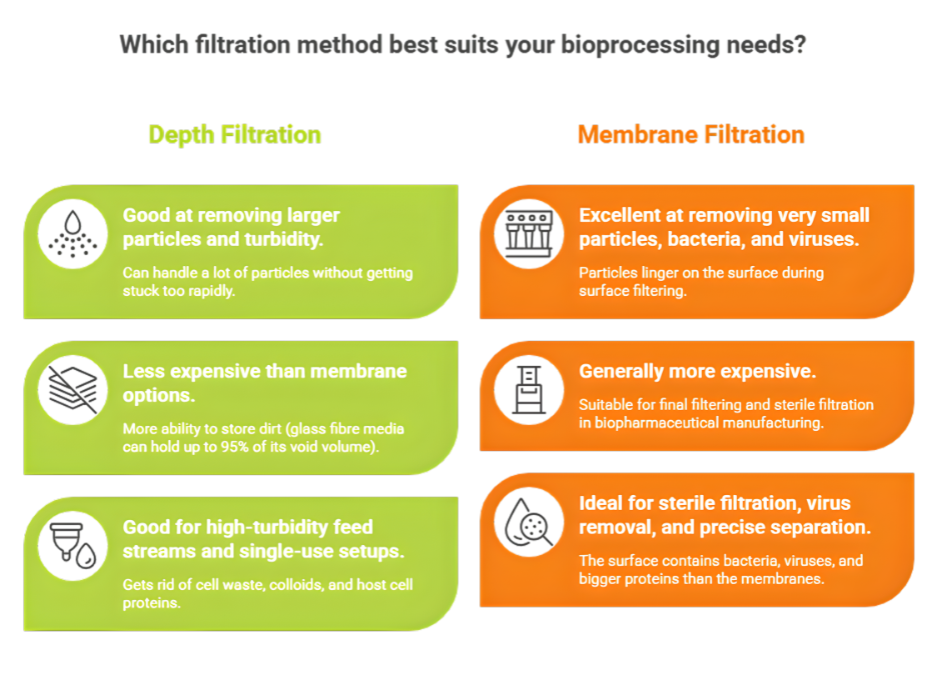
High-turbidity feed streams are cleaned by deep filters that get rid of cell waste, colloids, and host cell proteins.
Advantages and Limitations
- Can handle a lot of particles without getting stuck too rapidly
- More ability to store dirt (glass fibre media can hold up to 95% of its void volume)
- Less expensive than membrane options
- Good for bioprocessing setups that are only used once
- Not as good at getting rid of tiny particles or germs
What is Membrane Filtration in Bioprocessing?
Thin polymer sheets with different-sized holes separate particles. Instead of passing through the membrane, particles linger on it during surface filtering.
How It Works
Pressure forces a thin polymeric membrane over a fluid in membrane filtration. A perfect membrane barrier lets only molecules and particles smaller than the pore size pass. The surface contains bacteria, viruses, and bigger proteins than the membranes. This technique produces repeatable results since the pore size is tightly regulated. It is suitable for final filtering and sterile filtration in biopharmaceutical manufacturing.
Types of Membrane Filtration
Microfiltration (MF)
Microfiltration pores vary in size between 0.1 and 1 µm. Discard germs, suspended particles, and bigger colloids from liquid streams. Microorganisms are killed off during bioprocessing prior to filling.
Ultrafiltration (UF)
Reduced pressure and holes come from ultrafiltration. Inside are the proteins and carbs, while outside are the salts, sugars, water, and tiny organic acids. Pharmaceuticals employ it for protein filtering, buffer changes, and diafiltration.
Nanofiltration (NF)
NF stands for nanofiltration. Ultrafiltration and reverse osmosis are two types of nanofiltration. Animal cells and ions can’t get through, but small minerals can. Biopharma usually uses it to test for viruses.
Reverse Osmosis (RO)
The thinnest screens are used in reverse osmosis. Salts, sugars, germs, and other biological waste are thrown away, leaving only water. The clean water can be used to clean and make things.
Applications of Membrane Filtration
Many sectors use membrane filtering. It ensures sterility before filling pharmaceutical solutions. Biopharmaceuticals employ it to kill viruses, reduce bioburden, and concentrate proteins. Concentrates nutraceuticals and dairy nutrients and isolates whey proteins. Removes food and drink juices, beer, and wine. Ayurveda and cosmetics use it to purify plant extracts and active substances.
It is important to note that demineralisation of mother liquor, which is the liquid left over after crystallisation or precipitation of drugs or chemicals, is a big deal. This stream can be reused or released following membrane filtering, including nanofiltration and reverse osmosis. Pollutants and dissolved salts are extracted.
Depth Filtration vs Membrane Filtration
Feature | Depth Filtration | Membrane Filtration |
Mechanism | Particle capture throughout the media | Surface retention |
Pore Precision | Nominal or absolute (broader range) | Absolute-rated (tight tolerance) |
Dirt-Holding Capacity | High | Low |
Efficiency | High absolute efficiency | Sterile-grade microbial removal |
Cost | Lower | Higher |
Best Use | Pre-filtration, clarification | Final filtration, microbial control |
Applications in Biopharmaceutical Manufacturing
The two approaches work well together for filtering biopharmaceuticals.
The first step is depth filtering, which removes cell debris, HCPs, lipids, and colloidal particles that are left behind during cell culture or fermentation. Then, the last step is membrane filtering. It makes sure the product is clean, gets rid of viruses, and offers you a filtrate that is the same quality as the product.
A lot of vaccinations, monoclonal antibodies (mAbs), and items manufactured from plasma are generated with this mix. Usually, filtration comes before ion exchange to make the product stream even cleaner. Ion exchange systems perform best when they obtain clean, pre-filtered inputs.
How to Choose the Right Filtration System for Biopharma
Consider these things:
- How many particles are in your feed? When the water is quite cloudy, depth filtration works best.
- Do germs need removal? Only membrane filters kill all bacteria.
- What is your budget for each batch? Depth filters lower the total cost when used upstream.
- Is the process you’re utilising only good for one time? Depth filters work well with systems that can be thrown away.
Most bioprocessing filtering systems work best when they use a depth-then-membrane technique that finds the proper balance between cost and performance. You can be confident that your system is set up exactly properly for your needs when you engage with skilled filtration professionals like those at Sanitech.
Future of Bioprocessing Filtration
Bioprocessing evolves swiftly. Denser cell cultures increase product titers. This means more turbid, particle-heavy feed streams enter filtering. This has renewed interest in depth filtering as a primary solution for challenging feeds.
Depth filters are used for more than initial clarification. They are increasingly treating ongoing streams. This reduces host cell proteins, removes key foulants, and improves downstream chromatography and filtration. They are essential to purification, not merely pre-filters.
Single-use production also matters. Depth filters reduce cleaning and cross-contamination in single-product biopharmaceutical facilities, which is becoming even more significant.
Conclusion
It’s not easy to choose between depth filtration and membrane filtering, so the question is how to set up the procedure. The right combination keeps your product safe, makes your equipment last longer, and lowers costs.
Sanitech Engineers can help you choose a good filtration partner for your bioprocessing plant. They provide one-of-a-kind biopharmaceutical filtration solutions and cutting-edge membrane systems that are made to work with your process. Discuss your filtering issues with staff and choose a solution before your next batch depends on it.
FAQs
Particles that get through the filter medium are caught by size exclusion and binding in-depth filtering. Membrane filtration uses pore diameters that are just right to separate particles and maintain them on the filter surface.
Use depth filtration if your feed has a lot of garbage or particles from cells. This is frequently done before membrane or chromatography operations to make things clearer.
Not for vital things. Depth filters can't get rid of bacteria to a sterile level, but membrane filters can. They work best as guardians upstream that help membrane filters survive longer.