A paradigm shift is under way in the pharmaceutical and biopharmaceutical fields. With the prominence that biologics, vaccines, biosimilars, and complex therapeutic proteins assume within the realm of modern medicine, there is more pressure on the technology involved in the purification processes than ever before. While the focus till now had been on purity, speed, scalability, and cost-effectiveness are now the mantras.
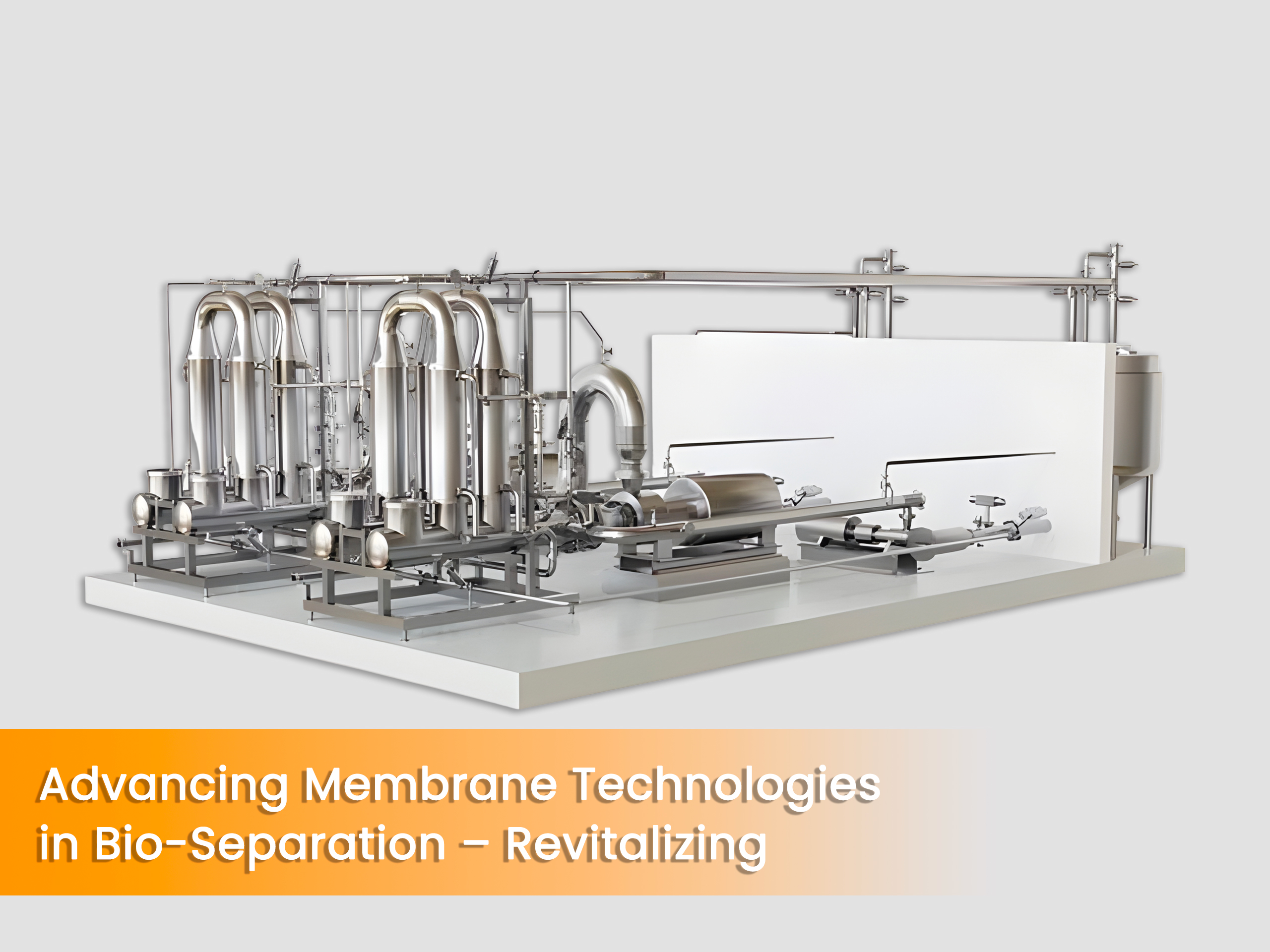
It’s where innovative bio-separation technologies, utilizing membranes, are completely changing the world of pharmaceuticals, the
Fundamentally, it has always been an aim to move from traditional processes that were more energy-consuming, slower, and more complicated to more intelligent membrane filtration and hybrid processes.
The Importance of a New Approach in Pharmaceutical Purification Today
Purification is one of the most challenging—and costly—processes in pharmaceutical manufacturing. Classic methods of purification such as individual chromatography and precipitation have long been used in the industry; however, they tend to carry some natural difficulties in relation to
- High energy and solvent consumption
- Long Processing Times
- Scale-up of complex operations from the lab into production
- Reduced overall product recovery
- High operational and maintenance costs
With growing volumes of production and increased demands from regulations, the challenges inherently affect profitability, sustainability, and time-to-market.
The industry has now shifted to the use of membrane physio-chemical separation processes to address such challenges.
Membrane and Bio-Separations:
Membrane technologies, which include Microfiltration, Ultrafiltration, Reverse Osmosis, make use of a physical barrier in which separation is done on the basis of size, charge, and permeability. This process is highly effective in purifying:
- Therapeutics proteins
- Monoclonal Antibodies
- Vaccines and Intermediates
- Enzymes and Fermentation Broths
- Biosimilars and bi
In contrast to the traditional purification processes, membrane technology supports low-energy separation processes that are scalable and suitable for contemporary pharmaceutical production processes.
Modern Developments Contributing to the Rise of Membrane Technology:
The field of membrane bio-separation has seen many improvements within the span of a few years.
1. Advanced Membrane Materials
Modern polymeric membranes like PVDF and PES and novel ceramic membranes provide:
- Increased permeability
- Enhanced selectivity
- Improved chemical and heat resistance
- Long operating life
Ceramic membranes have proved to have very high flux stability and fouling resistance and have therefore been preferred in tough pharmaceutical applications.
2. Improved Fouling Resistance
Fouling of the membrane that limited the efficiency of filtration is now reduced by surface-modified and composite membranes and has led to the following advancements:
- Consistent flux on longer tracks
- Shorter cleaning times
- Reduced downtime
- Increased process consistency
3. Optimized Filtration
Improvements in cross flow filtration technology and the ability to control the pressure are highly effective in overcoming the effects of concentration polarization to a large extent, even at an industry scale.
Hybrid Membrane-Chromatography Systems: A Game Changer
One of the most influential areas in pharmaceutical purification is the combination of membrane filtration with chromatography.
Rather than depending on chromatography, which is expensive and resource-intensive, the hybrid systems employ the use of membranes for purification and chromatography for polishing. The method offers:
- Increased protein recovery
- Improved processing speeds
- Lower column fouling
- Reduced solvent usage
Enhanced yield and purity levels
Research has demonstrated that hybrid membrane-chromatography systems can provide a purity higher than 90%, while the efficiency achieved is far superior compared with other methods.
For industry, it will mean near-chromatography purity at a cost and time fraction of that needed presently.
Sanitech Engineers and Pharmaceutical Purification Technology Enhancement
In our company, Sanitech Engineers Pvt. Ltd., we develop customized membrane filtration and preparative chromatography systems for biopharmaceutical applications.
- Our solutions assist manufacturers in the following ways
- Refine product purity and yield
- Reduces operating costs
- Scales processes from pilots through to commercial scale
- Meet strict regulatory and quality standards
Consult with our experts to develop a purification system with a membrane for your process.
Sustainability-Profitability Tradeoff: A Growing Area of Research
The pharmaceutical industry is now faced with the issue of sustainability. The advantage of membrane purification techniques for the pharmaceutical industry is:
- Up to 50% less energy use than in traditional chromatography techniques
- Less use of solvents and chemicals
- Reduced equipment footprint
- Reduces Water Usage
- Improved ability to meet ESG & sustainability objectives
In the context of corporations seeking to erect future-proof production plants, the sustainability edge offered by membrane technology cannot be underestimated.
Applications in the Pharmaceutical Value Chain
Advanced membrane or hybrid purification technologies are being used extensively in the following sectors:
- Biopharmaceutical
- CDMO
- Manufacturing plants for vaccine production
- Enzyme and fermentation processes
These machines are especially useful for CDMOs that are involved in multiple product changeovers.
Sanitech Solutions for Pharma & Biopharma Manufacturers
The services offered by Sanitech Engineers include:
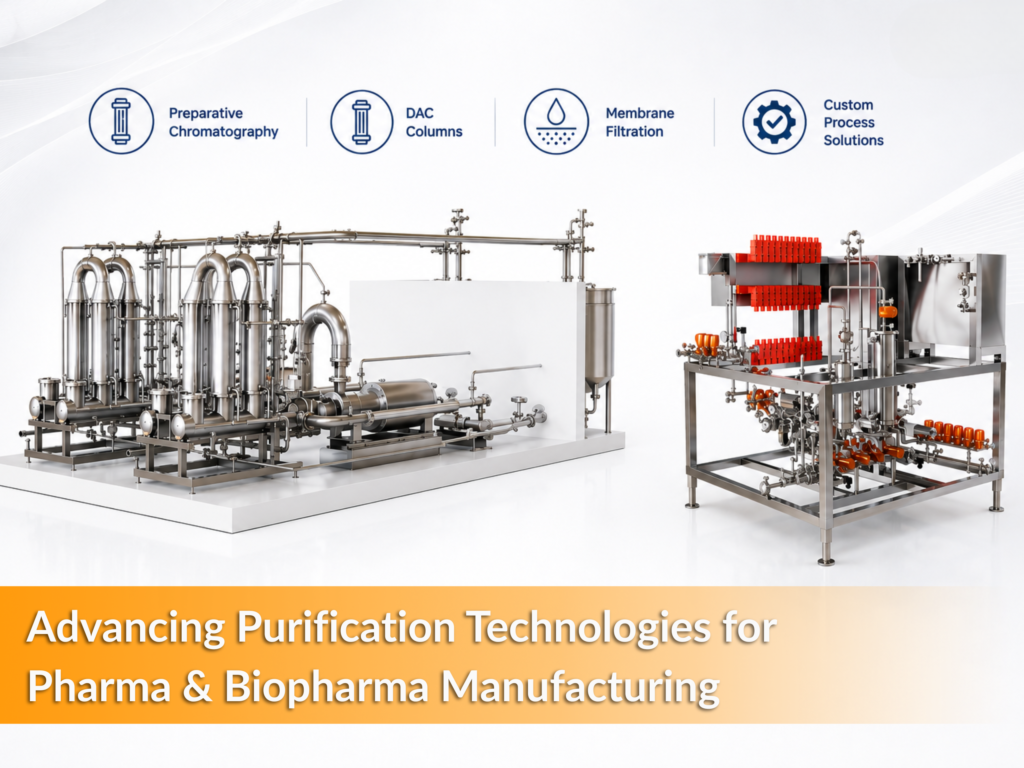
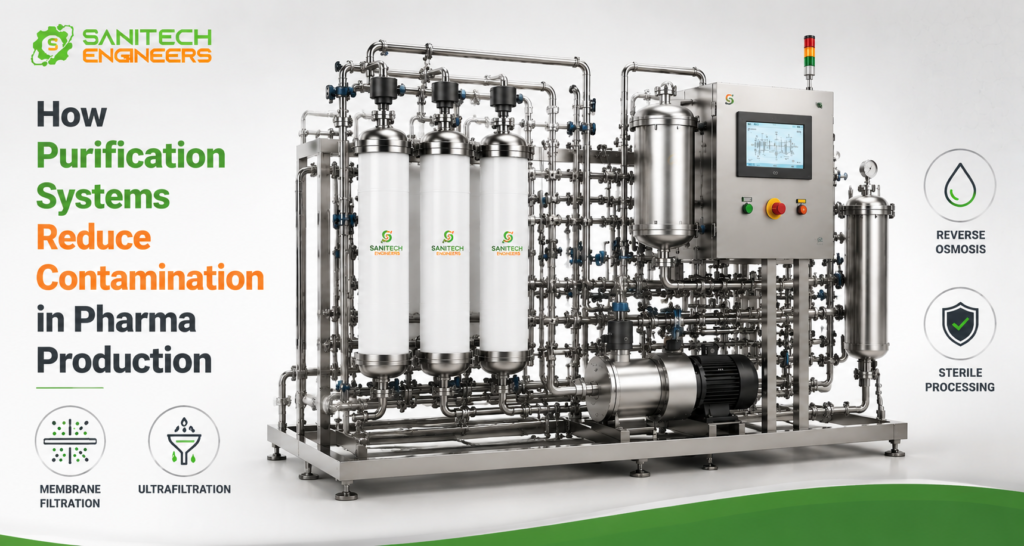
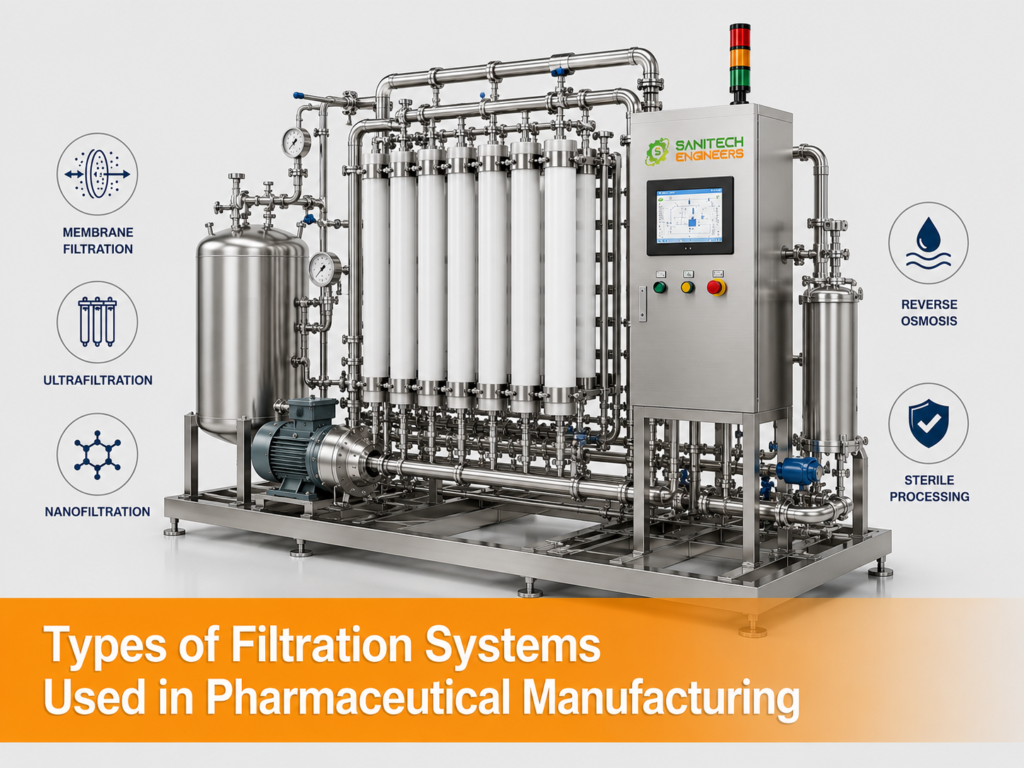
- Membrane filtration systems (MF, UF, NF, RO)
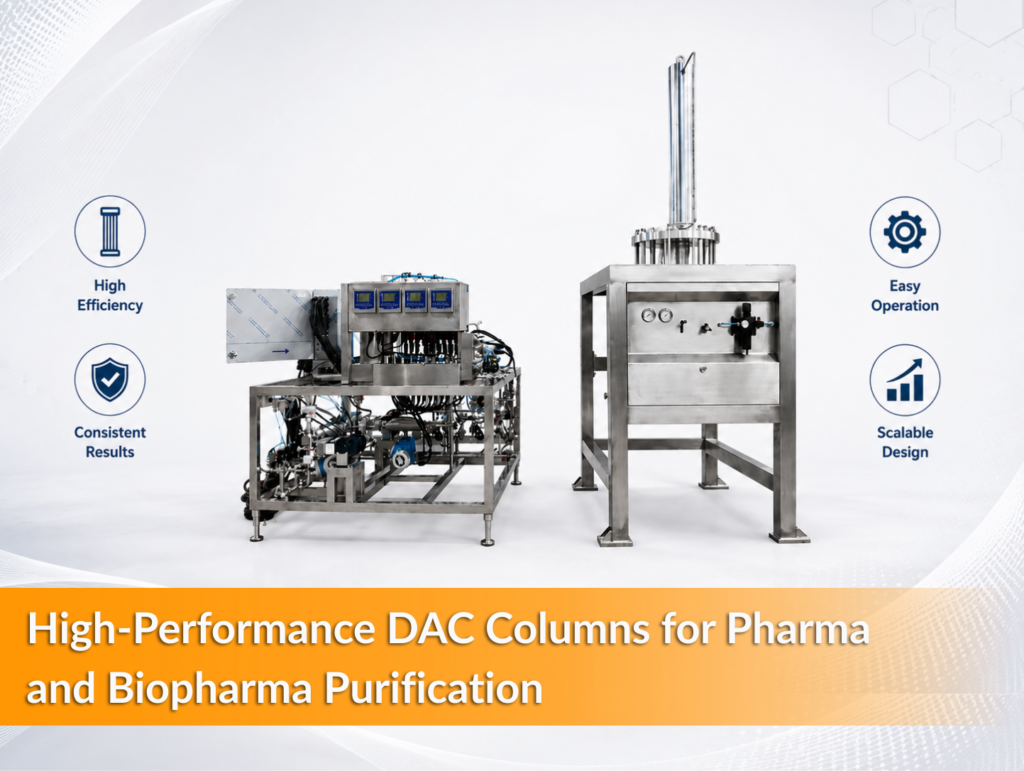
- Preparative chromatography
- Hybrid membrane-chromatography
- Process scale-up and customization
- Turnkey engineering and commissioning support <
Whether you are upgrading your current facilities or building a new biopharma plant, our systems are designed and engineered for performance and reliability and meet regulations.
To address your purification requirements, you may contact Sanitech Engineers.
The Future of Pharmaceutical Purification
The future of pharmaceutical purification will involve intelligent process integration where all aspects of the technology—membranes, chromatography, automation, and sustainability—are fully integrated and functioning together seamlessly
Ongoing innovation in:
- Membrane materials
- Hybrid process design
- A process
- Fouling-resistance
- Automation and monitoring
will help facilitate continued advancements in purity, yield, and scale.
“The companies which integrate membrane bio-separation technologies in their existing bio-separation processes will be able to compete effectively in tomorrow’s fast-changing biopharmaceutical industry,” explained Dr. Lutz Weber, CEO
Conclusion
Membrane-based bio-separation: an emerging area of development, has now been proven to be scaled sustainably for pharmaceutical purification. Such technologies that integrate speed, efficiency, and sustainability are definitely going to redefine drug manufacturing.
At Sanitech Engineers, it gives us great pleasure to be associated with this change by providing the best pure systems as demanded by current Pharmaceutical Manufacturers. Excited to Improve Your Purification Process? Allow Sanitech Engineers to assist you with designing a superior membrane or hybrid purification system.
Contact us today to see how we can tailor solutions for a pharmaceutical/biopharma environment for you!